I'm going to run through your options and hit the features and limitations to tell you which are worth your time.
What is home automation software?
Home automation, also called a smart home or smart house is a system that has the capabilities to automate routines in your home such as controlling the lights, entertainment systems, appliances and home security devices such as cameras and alarm systems.
The home automation software simply orchestrates all of those devices. You can program your smart home using any of the open source home automation software we have on our list.
How do I program my home automation platform?
If you need ideas, we have them!
Today, anyone can buy a hub or a Raspberry Pi for their home automation server and start small adding sensors and controls to their home for under $100. With that in mind, we set out to scour the web for the best home automation ideas that we could find and pull them into one location as a resource in case you are interested in automating some of the more tedious aspects of your daily routine.
Check them out using the link above for inspiration!
1. Security Lights
2. Smart Home Security Systems
3. Welcoming Party
4. Smart Garage Door Closer
5. House Warming
6. Goodnight Google
7. Automatic Leak Mitigation
8. Improvised Geofencing
9. Automatic Shower/Laundry Room Fan
10. Somebody’s Monkeying with my Safe
11. The Ultimate Alarm Clock
12. Laundry’s Done!
13. Power Down
14. Peace Out
15. Smart Water
16. Night Lights
17. Visitor Jingle
18. Move it, maggot!
19. Light the Beacon
20. Mail Call
21. Smart Shower Fan
22. Smart Stair Lights
23. Night Watch
24. Garage Butler
25. Personal Lighting
26. High Security Network
27. Automatic Fart Fan
28. Homework First
29. Smart Humidifier
30. Artificial Sunrise
31. Work Day Countdown
32. Movie Lighting
33. Perfectly Timed Weather Forecast
34. TV Zombies
How do I automate my home using a Raspberry Pi?
You can use a Raspberry Pi for a low-cost home automation setup. Some of the best home automation software are open-source and free so you can use them to program it to sense and control smart devices around your house.
You'll just need to connect compatible devices and make sure that your Raspberry Pi can talk to them with a Zigbee or Z-Wave stick.
The Best Open Source Home Automation Software
Alright, let's jump right into the list of great open source home automation platforms.
Home Assistant
I consider Home Assistant the most popular open-source home automation software. It’s platform runs on Python 3 and is most commonly installed on a Raspberry Pi for a low-cost setup. Since its start in 2013, Home Assistant has become a favorite among developers and DIYers since they could easily customize their own features by writing their own Python scripts.
Home Assistant is a stand-alone system and does not depend on third-party cloud services. Support for third-party devices and services is handled in their community forum.
Standout Features
What’s nice about Home Assistant is that it supports many third-party components like communication protocols, automation platforms, voice assistants, and many other plugins. The Home Assistant software is totally FREE and has no subscription fees. They also have a large community of admins and DIYers who would happily respond to your queries.
Protocols Supported
Home Assistant supports communication protocols of some popular third-party smart devices. The most common ones are:
- IFTTT
- Serial
- USB
- Ethernet
- WiFi
- Z-Wave
Integrations
Home Assistant is only a local service as is. It could fetch data from the cloud but cannot push. Third-party integrations are available to add features and options to your open source home automation system. Support for popular components is provided by the Home Assistant community.
Hub
- Philips Hue
- Z-Wave
- Nest
- Belkin WeMo
- MySensors
- ecobee
- MQTT
- IKEA Tradfri
- Wink
DIY
- Arduino
Voice Assistant
- Alexa / Amazon Echo
- Google Assistant
Weather
- Dark Sky
Automation
- IFTTT
Media Player
- Google Cast
- Kodi
- Plex
- Sonos
Notifications
- Pushbullet
Presence-Detection
- OwnTracks
Best Home Assistant Demonstration Video
Links
Best Installation and Setup Video
openHAB
Standout Features
Aside from being an open-source platform with a large community support, openHAB also boasts its huge variety of bindings for various devices. Since the architecture is based on bindings, your system works like modular blocks which bring endless support to all your home devices.
openHAB proudly has a wide variety of bindings for numerous third-party devices. Since it was designed to run on bindings, the system is totally modular. This offers unlimited combinations of services and hardware for your home.
Protocols Supported
Integrations
You can extend and customize the features and capabilities of your smart devices using numerous third-party services. The integration that openHAB offers is almost limitless. Here are a few of those:
- Amazon Alexa Skill
- Azure IoT Hub
- Dropbox
- HomeKit
- openHAB Hue Emulation
- ImperiHome Integration Service
- Mycroft AI Skill
- openHAB Cloud Connector
- REST API
- Eclipse IoT Marketplace
- IFTTT
Best OpenHAB Demonstration Video
Links
https://opensource.com/life/16/4/automating-your-home-openhab
https://www.makeuseof.com/tag/openhab-beginners-guide-part-2-zwave-mqtt-rules-charting/
Best Installation and Setup Video
Pytomation
Pytomation is an open source home automation system developed using the Python language. It’s main function is to automate smart devices in homes but is capable of doing more functions like remote control.
Reminds me of our Amazon Dash hack to make a home automation remote!
The primary development is in Linux, but it can be used on any computer using Python. The most popular computer being used with the Pytomation software is the Raspberry Pi single-board computers. Basically, a Pytomation system is a stand-alone controller, like a microcontroller, that would automate actuator or device actions based on sensor readings. But since the controller is a computer, it is also capable of being managed and controlled via mobile applications and web servers.
Pytomation was first released in 2012. Since then, they have been releasing latest software updates with support for newer third-party devices.
Standout Features
Affordability is one of the most outstanding feature of the Pytomation automation system since it runs on open-source hardware and software. Only a single-board computer, its open-source software, and a smart device of your choice is needed to start automating your home.
Another feature of the Pytomation is that it’s not dependent on the cloud and other third-party web services. It can be run and managed locally.
Protocols Supported
Pytomation supports the following communication protocols:
- Z-Wave
- INSTEON
- WiFi
- Ethernet
- RS232 / RS485
- Serial
- USB
- TCP
- Zigbee
- Harmony Ultimate
- W800 RF
Integrations
Pytomation was developed to automate third-party smart devices. It supports many devices and services, such as:
- Insteon
- UPB
- Belkin WeMo
- JDS Stargate
- Radio Thermostat
- Nest Labs
- Venstar ColorTouch Thermostat
- Weeder Digital I/O board
- Logitech Harmony Universal WiFi Remote
- WGL Designs W800RF32 X10 RF receiver
- Arduino Uno board
- X10 CM11a
- Mochad X10 CM15 (USB) and CM19
- Misterhouse Voice Commands MHSend
- Spark I/O WiFi devices
- Z-Wave (Aeon Labs via python-openzwave)
- Phillips HUE
- Raspberry Pi
- Weeder Analog I/O board
- Ube Wifi Devices
- CoralStar WiFi Devices
Best Pytomation Demonstration Video
Links
http://www.futurite.in/blog/8-amazing-single-board-computers http://sharpeespace.blogspot.com/2013/02/pytomation-10-released.html
Best Installation and Setup Video
OpenRemote
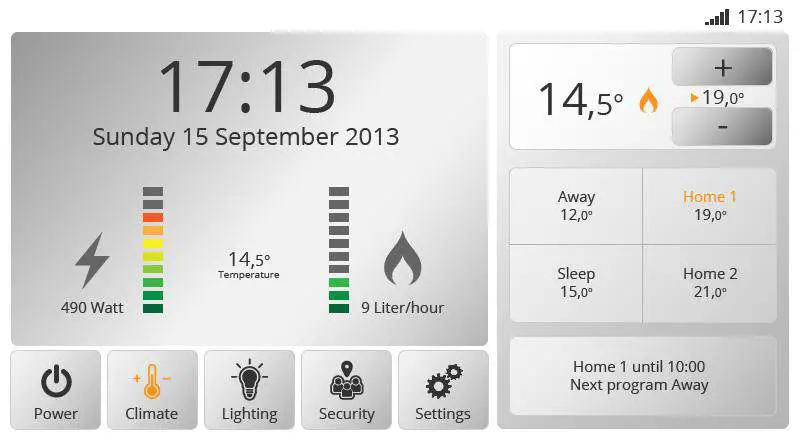
OpenRemote is an Internet-of-Things (IoT) platform that promotes smart homes and cities. They started in 2009 with the end-goal of bringing a universal automation platform for smart devices to the market. Back then, offline-devices couldn’t connected to the internet using hardware WiFi adapters that use standard protocols. As the IoT technology gained popularity, many companies developed their own smart devices with their own proprietary protocols also. OpenRemote’s main challenge was providing all the interface supports of third-party products and services so it would be compatible with their universal controller.
OpenRemote tries to support many proprietary protocols of different brands. One could just simply add and remove a type of smart device on their dashboard and save the configurations for an easy and customized setup. As long as your devices and your controller, say a tablet or mobile phone, are connected to a WiFi network, you can easily manage your smart devices remotely with just a few tap.
Smart cities and big data is also one area that OpenRemote focuses on, aside from home automation. They integrate data from public spaces like traffic, automated lighting, pollution, emergency, and many others in order to enhance the quality of living.
Standout Features
OpenRemote allows any smart device to be connected, controlled, and automated. Their OpenRemote Designer software enables users to modify their own custom setup according to what smart devices they have at home or at their office. All you’ll need to do is to add your devices and their corresponding functions on the graphical interface. Once it’s done, you can now monitor and control everything via your smartphone, PC, or tablet.
OpenRemote don’t only offer products. Aside from having an online community that you could ask help from, they also have consulting partners in some parts of the world who could help you design your own home automation system and choose the best certified products for you.
Protocols Supported
As with any open source home automation platform, OpenRemote supports almost every communication protocols of the popular smart devices and web services. These includes:
- Z-Wave
- IP
- Ethernet
- USB
- Nest
- Insteon
- 1-Wire
- WiFi
- HTTP/REST
- HTTP/MJPEG
- DMX / SPi (Art-Net adaptor)
- Modbus
- TCP/IP
- UDP
- Velbus
- X10
- XBMC
Integrations
Their open-source software could be integrated with almost every name brand of smart devices. Below is a list of device integrations from their official Wiki.
- AMX
- Asus O!Play
- Beckhoff
- Belkin Wemo
- Denon
- Domintell
- DSC Security Systems
- EnOcean
- ESP8266
- Global Caché
- ICT Protege
- Insteon
- IRTrans
- KAKU/COCO
- [Keene IR](Keene IR)
- KNX
- [Leviton HAI](Leviton HAI)
- LightwaveRF
- Lutron
- Marantz AV Receiver
- MiCasa Verde (Vera)
- PanStamps
- Philips Hue
- Philips Pronto
- RazBerry
- Russound
- Samsung Smart TV
- Shell Execution
- Smappee
- SNMP
- Sonos
- XML data sources
- Z-wave
Best Openremote Demonstration Video
Links
https://www.technologyreview.com/s/519666/free-software-ties-the-internet-of-things-together/
http://www.openremote.com/
Best Installation and Setup Video
Calaos
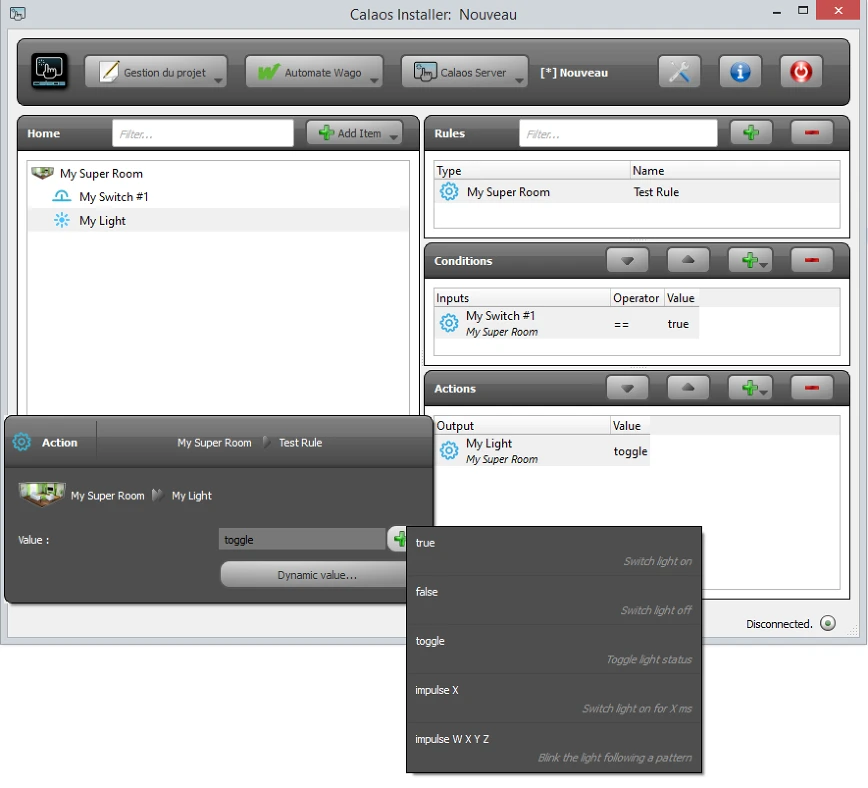
Calaos is a full-stack C++ multilayer free home automation software. It was first developed by the French company Calaos but was closed sometime around 2013. Since then, the community of developers and enthusiasts continued the development of the open-sourced code base. It was released a General Public License (GPL). Calaos is a full home automation system that includes touch screen and web interfaces, mobile applications, a server daemon, and configuration and operating system tools that allow you to create and customize home automation solutions.
Calaos platform is based on Linux and runs perfectly on the Raspberry Pi and other hardware platforms like the Cubieboard and Intel boards. It surely is an open-source platform that DIYers would love to tinker around. Should problems come up, Calaos has a large community of developers, contributors, and fellow users who will happily provide you with specific answers.
Standout Features
Calaos is a full-solution home automation system. Their software stack offers many facets like their server, UIs, web apps, mobile apps, and their preconfigured Linux operating system.
For anyone planning to DIY, their well-documented Wiki and their community forum support users with trouble using the software.
Protocols Supported
Calaos supports protocols for third-party hardware devices and software stacks. A few of those are:
- USB DMX
- LAN
- EIBnetmux
- IP
- WiFi
- HTTP+JSON
- 1-Wire
- Ethernet
- TCP
- WebSocket
Integrations
The Calaos software supports top name brands of smart devices like Philips, Belkin, GE, and etc. The main hardware controllers (computers) that Calaos can run on are:
- Premoboard
- Cubieboard
- Raspberry Pi
- Intel Atom, i3, i5, and i7 boards
Best Calaos Demonstration Video
Links
Best Installation and Setup Video
OpenMotics
OpenMotics, founded in 2012, is another open-source hardware and cloud platform integration. It’s a total solution not only for home automation but for power measurement and energy audit as well. With its GPL-licensed resources released on GitHub way back in 2015, OpenMotics has been sharing their drivers for third-party components, SDKs, firmwares, hardware design files under Creative Commons Attribution, plugins, and gateways.
The OpenMotics platform, contrary to others that focus on integrating third-party devices and services to their own software, hardwires its own hardware to their automation platform, power measurement, and cloud management system. The platform targets tech-savvy users and those who are looking for the best value for their money.
Standout Features
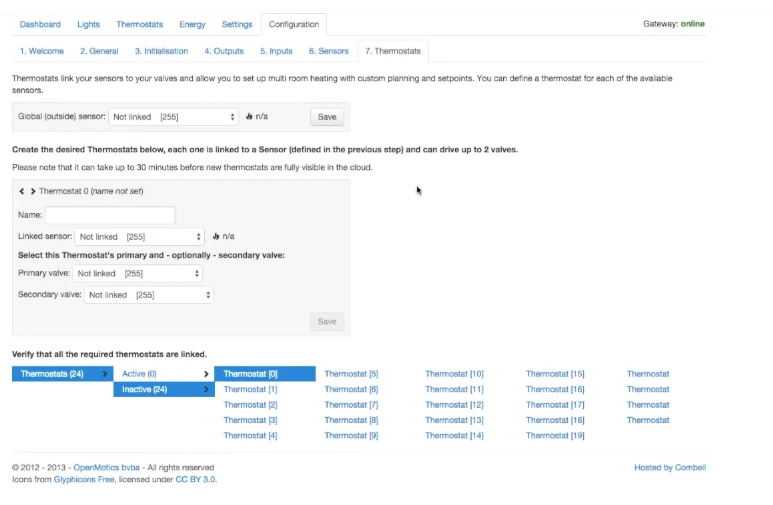
OpenMotics features an intuitive interface that monitors and learns the activities of your home to provide you with an efficient building and energy management. Their cloud platform provides remote capabilities and awesome benefits to businesses and end-users.
Their licenses under the GPL and Creative Commons guarantee users that no proprietary lock-in will ever happen.
Protocols Supported
Their hardware designs resemble industrial devices. Their input, processing, output, sensor, and gateway devices are all DIN rail mountable which use industrial communication protocols as well. These are:
- Ethernet
- CAN
- I2C
- UART
- RS232
- RS485
- Analog
Integrations
Best OpenMotics Demonstration Video
Links
Best Installation and Setup Video
Domoticz
Domoticz, not to be confused with domotics which is the technical terminology for home automation, is an open-source C/C++ based software released under GPL licensing.
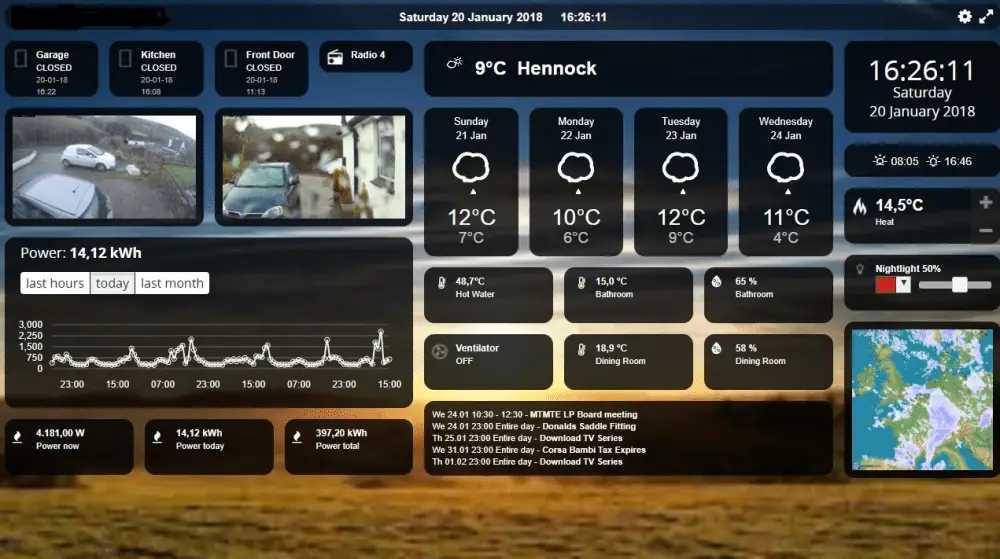
Released in 2012, Domoticz allows users to integrate lighting devices, sensors, weather station data, and etc. and send notifications to your mobile devices. It also runs on multiple operating system platforms like Windows, ARM32, ARM64, Mac/OSX, Linux, and Synology and so you can install the software to any hardware platform you like. The Raspberry Pi is the popular choice of the community.
Standout Features
Protocols Supported
Domoticz allows the use of various devices with their software. A few of the protocols that are supported by their platform are:
- 1-Wire
- Z-Wave
- Zigbee
- WiFi
- 433 MHz RF
- USB
- LAN
- Ethernet
Integrations
There are a number of third-party devices, gateways, and services that could work together with the Domoticz platform. The well-documented integrations are:
- MySensors
- RFXCOM
- Z-Wave
- RF-Link
- P1 Smart Meter
- YouLess Smart Meter
- Pulse Counters
- EnOcean
- iTead Sonoff
- Xiaomi
Best Domoticz Demonstration Video
Links
Best Installation and Setup Video
Domogik - No Longer Active!
Domogik was an open-source home automation software (GPLv3) that featured voice control, and open API, and an HTML front-end to control lights, fans, and whatever else you wanted to control. The integration with OpenRemote to control devices was a big enabler for the software. Domogik was active until 2017 but is no longer under active development.
Hi, I’m Christy, and I’m an electronics engineer by profession. I have taught in a university for 2 years while pursuing my master’s degree in cognitive radio and worked for a company to develop wireless medical devices. Currently, I’m doing research for a doctorate degree in engineering using a wireless sensor network for smart agriculture. I’ve been active in our local IoT community, IoT Cebu, where I participate in conducting talks about Arduino, Raspberry Pi, and DIY home automation using Wi-Fi and ZigBee devices.
